
Unveiling the Steaks: Diving into US Beef Production for National Beef Month

Beef is not just a tasty morsel on dinner plates; it’s a cornerstone of American agriculture and culture. The United States is a powerhouse in beef production, involving a rich history rooted in our wild, wild west. Today our ranchers feed millions both domestically and abroad. Behind this industry stands the National Cattlemen’s Beef Association (NCBA), a beacon advocating for the interests of American cattle producers. In honor of National Beef Month this May, we will explore the intricacies of US beef production.

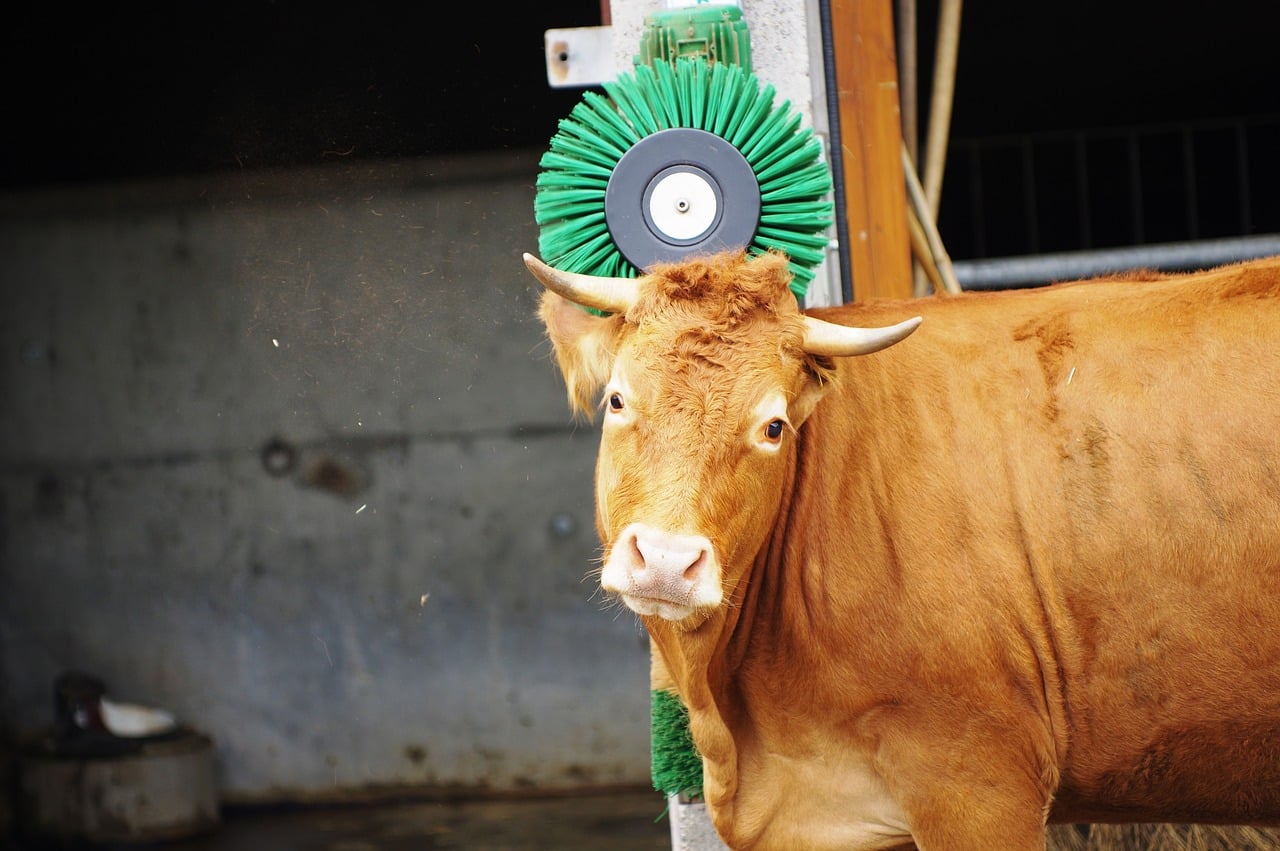
cow, grass, livestock-8497722.jpg

The Beef Industry Landscape

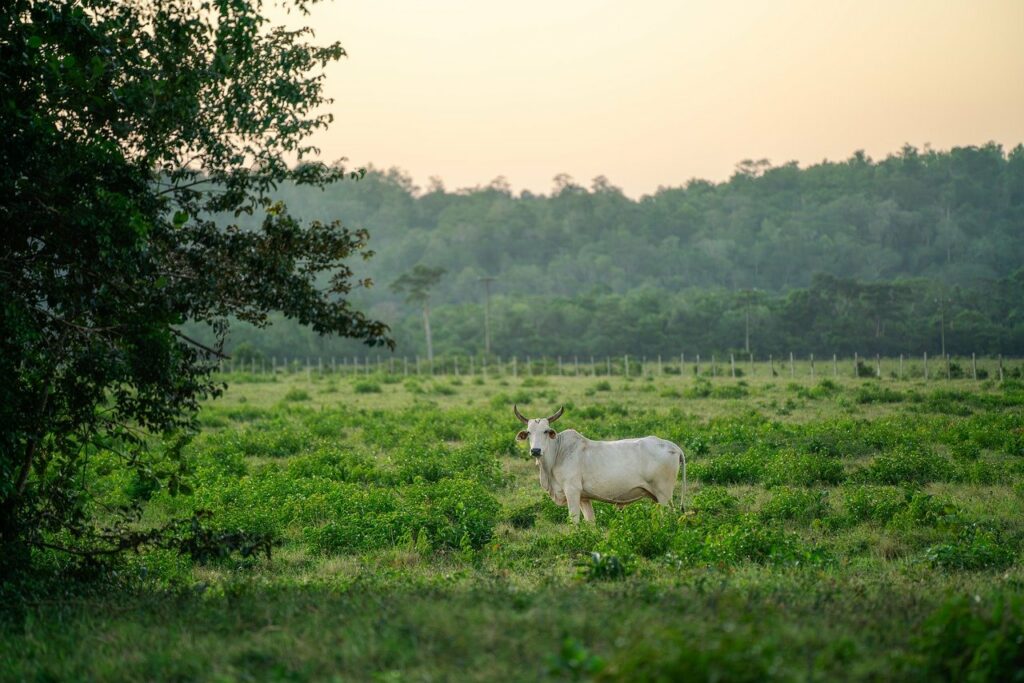
texas, america

At the core of US beef productions are ranchers. They raise cattle across America’s vast pasturelands, accounting for 35 percent of US soil. Encompassing both smaller family operations and large-scale commercial enterprises the U.S. boasts the fourth largest cattle inventory in the world. There are 87.2 million head of beef cattle (as of December, 2024) yielded by one million producers. Of these operations, an impressive 97% are family-owned.


Additionally, we supply 25 percent of the world’s beef while only maintaining 10 percent of the world’s cattle. Unsurprisingly, good old Texas is our top producer, tailed by Nebraska, Missouri, Oklahoma and South Dakota according to National Beef Month: Facts About Cows (tenderfilet.com).

The Role of Technology

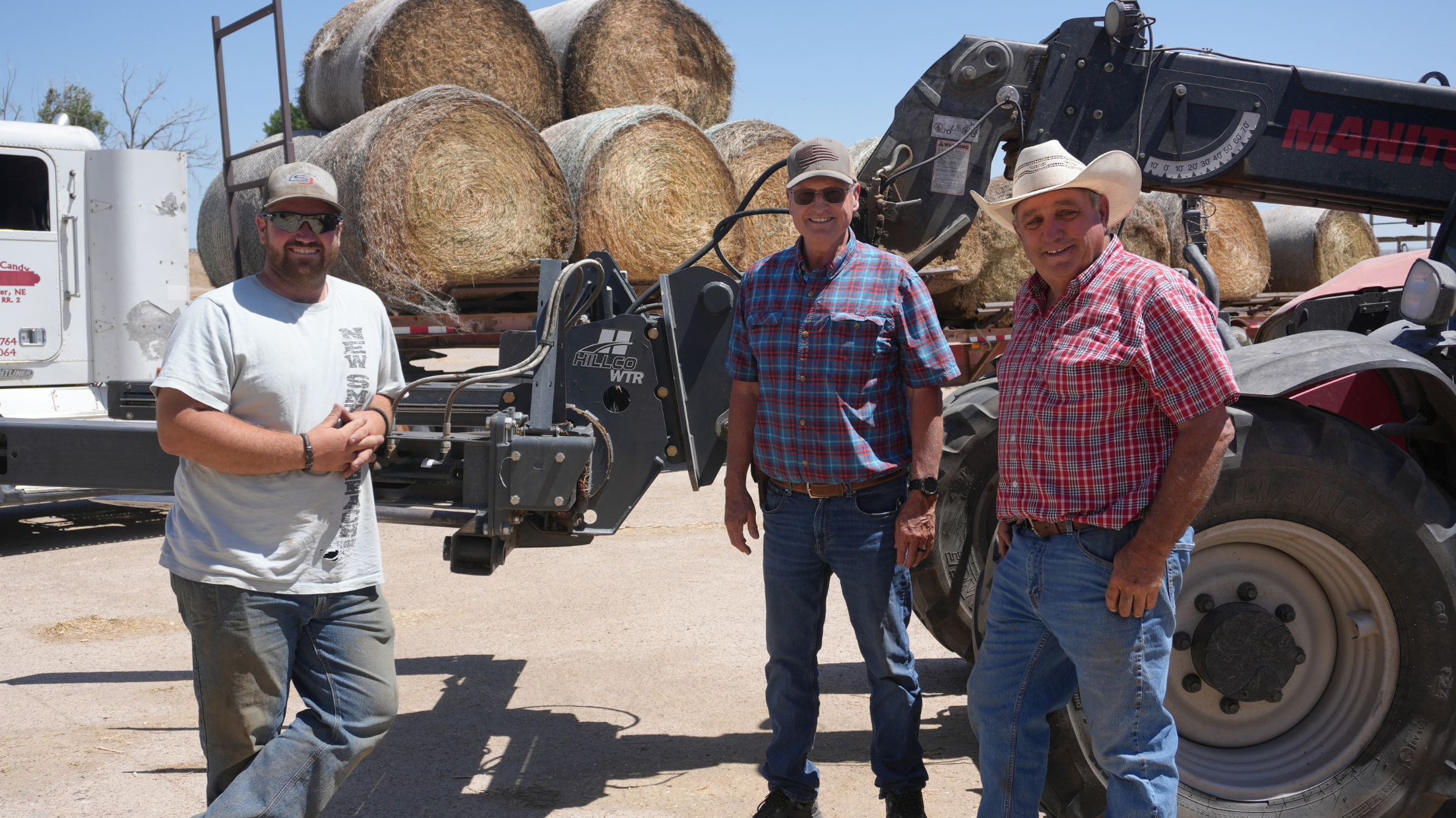
Technology plays a pivotal role in today’s beef industry. From advanced genetics and breeding techniques to precision nutrition and data analytics, technology empowers producers to optimize herd health, improve feed efficiency, and enhance product quality. One example of such innovation in feeding efficiency here at Hillco Technologies was the creation of the Wrap Twine Remover (WTR). Eliminating the need for the operator to leave the safety of the cab, the WTR efficiently removes baling materials from large round and square bales. This means saving time and increasing safety.

Genetic advancements in breeding have enabled key traits for continuity to become apparent. For example, hair shedding is roughly 0.35% heritable. The benefits of breeding early shedders include:

  • weaning heavier calves
  • suffering less heat stress
  • the tendency to breed back more readily.

Source: University of Missouri Extension

US beef production is not purely a business; it’s a heritage, and a vital component of our nation’s agricultural landscape.

Stay up to date with product announcement, news and more!

Proudly American Made