The Importance of Airflow
Diesel engines are a type of internal combustion engine that are commonly used in a wide variety of applications, from cars and trucks to power generators and heavy equipment. These engines rely on a complex system of components to produce power, including fuel injectors, pistons, and cylinders. One critical component that is often overlooked is airflow. In this blog, we will explore the importance of airflow in combine and tractor engines and how it impacts engine performance. As well as explain how the Hillco Air Flow System can help with these things.
What is Airflow?
Airflow refers to the amount of air that enters the engine during the combustion process. In a diesel engine, the air is compressed in the cylinder before fuel is injected and ignited. This process produces heat and pressure, which pushes the piston down and creates mechanical energy that can be used to power the vehicle or equipment. There are several reasons why airflow is critical to the performance of combine and tractor engines.
1. Combustion Efficiency
The amount of air that enters the engine during the combustion process affects the efficiency of the combustion. The more air that is available, the more complete the combustion will be, resulting in better fuel efficiency and reduced emissions.
2. Power Output
The power output of combine and tractor engines is directly proportional to the amount of air that enters the engine. If the engine does not receive enough air, it will not produce as much power as it could, leading to reduced performance.
3. Engine Longevity
Airflow is also critical to the longevity of combine and tractor engines. If the engine is not receiving enough air, it can overheat and cause damage to the components. This can lead to expensive repairs and even engine failure.
Components that affect Airflow:
Several components in a combine and tractor engine can affect the amount of airflow that enters the engine. These include:
1. Air Filters
Air filters are critical to the performance of combine and tractor engines. They prevent dirt, dust, and other particles from entering the engine, which can reduce the amount of airflow. A dirty air filter can restrict airflow and lead to reduced engine performance.
2. Turbochargers
Turbochargers are used in combine and tractor engines to increase airflow by compressing the air before it enters the engine. This can significantly increase engine performance and efficiency.
3. Exhaust Systems
Exhaust systems are designed to remove the waste produced during combustion. A poorly designed exhaust system can restrict airflow and reduce engine performance.
A Solution to Promote Airflow: Hillco Air Flow System
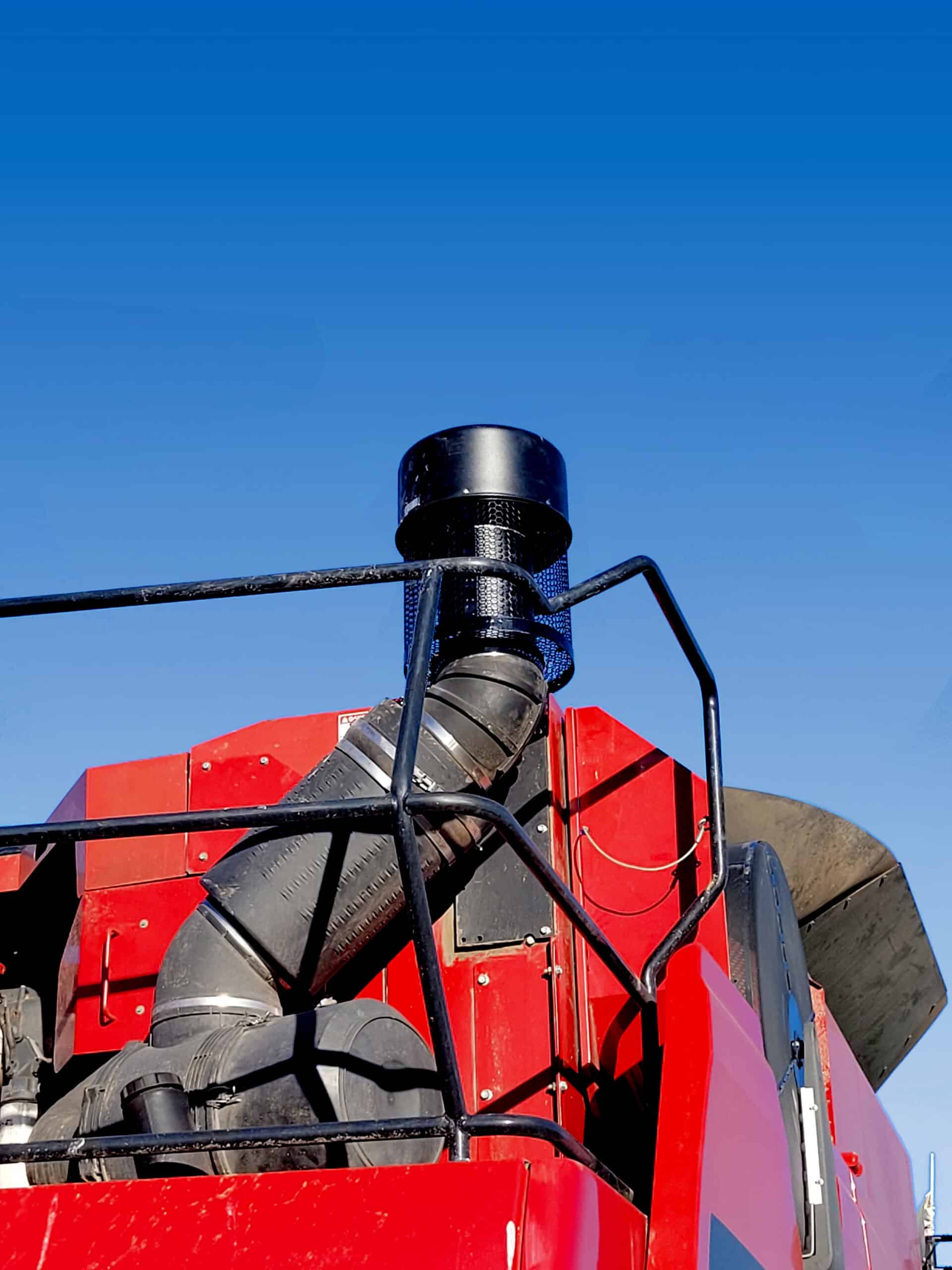
Tired of the air restriction indicator going off? Tired of blowing out your air filter multiple times a day? Tired of spending hundreds of dollars replacing air filters too often? Then the Hillco Air Flow System is the solution you are looking for! The Hillco AFS was designed to promote airflow in dusty and dirty conditions. It works by discharging the dirty air through the precleaner top, leaving cleaner air to be drawn into the engine. This simple but effective design extends the life of the air filter, reduces downtime, and increases your combine or tractor engine life among many other things.
Conclusion:
Airflow is a critical component in the performance and longevity of combine and tractor engines. The amount of air that enters the engine affects combustion efficiency, power output, and engine longevity. It is essential to ensure that the engine receives the right amount of air by maintaining air filters, using turbochargers, and properly designing the exhaust system. By prioritizing airflow using the Hillco Air Flow System, you can ensure that your combine and tractor engines will perform at their best and last for years to come.